
September 7th, 2023
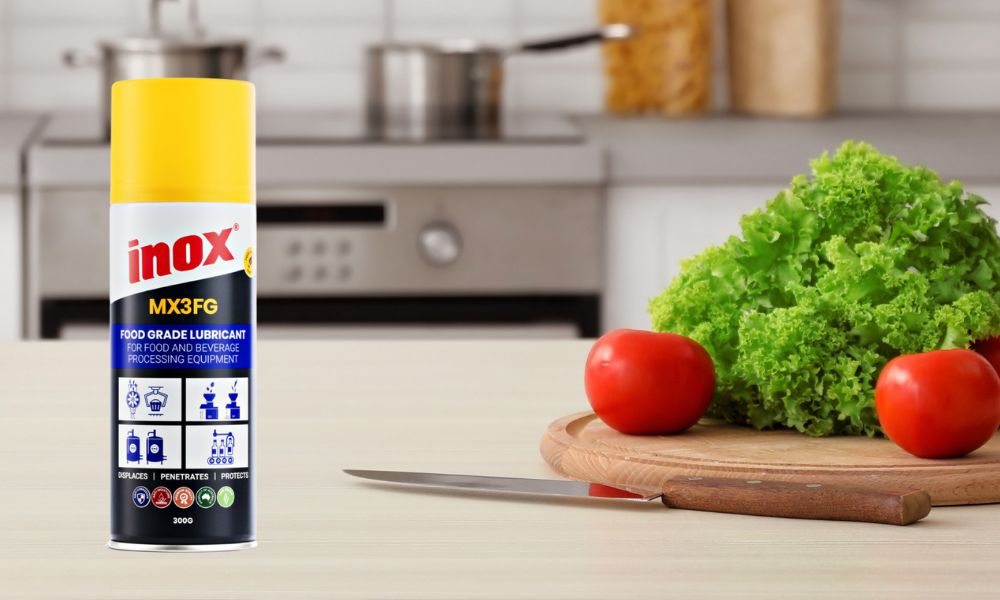
Ever wonder how you can make your kitchen chores easier and quicker? You’ve probably got the answer stashed away in your garage. That black, white and yellow can of INOX-MX3FG is like a secret weapon for your kitchen. You already know regular INOX MX3 is great for squeaky hinges and stuck bolts, but the food grade version, MX3-FG, has so many clever uses in the kitchen that will save you time and frustration.
NOTE: Before we get started, we need to be clear that INOX-MX3FG is a Food-Grade lubricant, we do not recommend using it on items intended for direct food contact. For example, INOX-MX3FG can be used to remove stubborn burnt substances from pans, but be sure to wash thoroughly with warm, soapy water before using them for cooking again.
So next time you’re scrubbing away at stuck-on grease and grime or wrestling with a stubborn lid, don’t forget about that handy can of MX3-FG. Give it a shot on rusty appliances and stubborn drawer slides too. You’ll be amazed at how many ways this multi-purpose lubricant can make your time in the kitchen so much smoother.
INOX: A Multi-Purpose Lubricant Not Just for Tools
INOX is a handy product to have in any toolkit, but did you know it has a ton of uses in the kitchen too? This multi-purpose lubricant can make cooking and cleaning much easier.
INOX is great for loosening burnt-on food and grime from pots and pans. Let it sit for a few minutes and the stuck bits will wipe right off. Give it a thorough wash with detergent and water and you’re good to go! It also helps loosen rust and mineral buildup in sinks and appliances.
If you have squeaky cabinet doors or drawers, a quick spray of INOX will eliminate the noise in no time. It’s also perfect for lubricating stubborn locks, hinges and sliding mechanisms.
How to Use INOX to Clean Sticky Residue in Your Kitchen
MX3-FG is also great for tackling residue and gunk in your kitchen.
Spray it on baked-on messes on benchtops or non-plastic cabinets. Let it sit for a few minutes, then wipe clean with a sponge or scrubber. INOX makes it easy to wipe away stubborn messes like syrup, texter or other kinds of adhesive (glue, stickers, etc).
For stubborn stuck-on foods, you may need to scrub a bit. INOX also works great on stovetop drip pans – spray it on, let it sit and the stuck-on grease will wipe right off. INOX is also perfect for drawer rails, hinges, and tracks. Give them a quick spray to loosen up stuck drawers and doors. It lubricates and protects, helping them slide smoothly.
With its super slippery formula, INOX keeps kitchen scissors, knives, and other blades rust-free and sliding. It protects them from water damage and sticking. Just make sure to diligently clean all excess formula from the blade before using it. When applied to blades, only the film left over from INOX-MX3FG application should remain. The blade should in no way feel damp or oily when using it on food.

INOX: The Solution for Squeaky Cabinet Doors and Drawers
To silence a squeaky cabinet door or drawer, start by removing any built-up dirt or debris around the hinges and tracks. Then, apply 2-3 short bursts of INOX to all hinge points and slide tracks. Open and close the door or drawer a few times to work the lubricant in. The squeaks should disappear instantly! For stuck or stubborn drawers, spray the tracks and then try gliding the drawer in and out. The lubricating film will help it slide smoothly.
INOX also works great for:
- Removing sticky residue from labels, tape or stickers. Spray it on and wipe clean with a damp cloth.
- Lubricating small kitchen appliances like blenders, food processors and stand mixers. Spray the blades and moving parts to keep them running smoothly.
- Easing stuck rings or lids on jars, bottles and containers. Apply INOX around the rim and edge and the item should twist right off.
Give Your Kitchen Appliances a Refresh: Use INOX to Polish and Protect
INOX is great for polishing and protecting your kitchen appliances. Spray it on the outside of any electric, stainless steel appliance to remove surface rust and prevent corrosion from occurring. Be careful not to apply INOX to any surfaces that come in direct contact with a heating element (Inside of toasters, inside of ovens, surface of gas stovetops).
For kitchen polishing, we recommend using INOX only on stainless steel sinks, fridge doors, stainless steel cabinet handles, stainless steel countertops, stainless steel drying racks, dishwasher doors, and ventilation rangehoods.
Let it sit for several minutes to help loosen the grime, then wipe clean with hot, soapy water. Your elbow grease will be cut in half!
INOX FAQs: Can I Really Use It in My Kitchen?
You may have heard rumours that INOX can be used in the kitchen, but is it really safe? The short answer is yes, INOX can be helpful for some kitchen tasks, but there are a few guidelines to keep in mind.
FAQs
Can I use INOX to lubricate stuck utensils or appliances? Yes, INOX can help loosen stuck drawer slides, stubborn lids or caps, and more. Just spray it on, wait a few minutes and then try opening or removing the stuck part. Wipe away any excess when done.
Is it food-safe? INOX-MX3-FG Is a food-grade lubricant, however we don’t recommend you leave it on anything that will touch food directly. If your intention is to use INOX on things like pans or counters, make sure to wash thoroughly with warm soapy water first to ensure any INOX residue is removed.
Still, it is perfectly safe if some accidental contact occurs. As with any product, follow the instructions and use in a well-ventilated area.
Will it damage surfaces? INOX is safe for most surfaces, but may damage some plastics or painted finishes over time with repeated use. Test in an inconspicuous area first. For stuck-on messes in the kitchen, it’s best to try gentler methods like soaking in warm water before using a solvent like INOX.
Other tips: INOX can also be used to lubricate squeaky cabinet doors, or the tracks of sliding shelves. It helps prevent rust on items like metal bowls, cutlery, or appliances and is great for loosening baked-on messes on pans or trays before washing. With occasional and proper use, INOX absolutely has a place as a useful tool in any kitchen.
How to clean A burnt pan with INOX
Burnt, stuck-on messes are no match for INOX. This versatile lubricant can help loosen the toughest burnt bits from your pans and pots.
To clean a burnt pan with INOX:
Allow the pan to cool completely after cooking. Do not add INOX to a hot pan.
Spray the afflicted areas of the pan generously with INOX-MX3FG. Cover all the stuck, burnt pieces.
Let the pan sit for several hours or overnight. The longer it sits, the more time the INOX has to penetrate and loosen the stuck-on messes.
Scrub the pan with an abrasive sponge or scrubber. The burnt bits should wipe right off. For stubborn stuck-on pieces, use a plastic scraper to gently lift off.
Rinse the pan with hot, soapy water to remove any remaining INOX residue. Dry completely.
For severe burnt-on messes, you may need to repeat the process a few times. With some patience, even the toughest burnt pans can be restored.

How to use INOX to remove rust from the outside of fridges
Spray the INOX directly onto the rusty area and let it sit for several minutes so it can penetrate the rust. For stuck-on rust, you may need to scrub lightly with an abrasive sponge or steel wool.
For refrigerators, wipe down the seals and gaskets as well, since rust and grime buildup there can affect the unit’s efficiency.
INOX works wonders on rust because it displaces moisture while dissolving built-up rust and corrosion. It’s a handy product to have on hand for a quick fix when you discover rust spots on appliances. Regular cleaning and maintenance will help prevent rust long-term, but INOX can tackle existing rust and get your appliances back to working order when needed.
How to use INOX to clean electric stove tops
INOX is great for loosening stuck-on messes and grease on electric stovetops. Here are some tips for using it to clean your stove:
Spray INOX directly onto baked-on splatters and spills on your stovetop glass surface. Let it sit for several minutes so it can penetrate the stuck-on bits. From there, go over your stovetop with a scraper or razor. The gunk should wipe right off with a paper towel or soft cloth. You may need to use a non-abrasive scrubber for stubborn stuck-on splatters.
Rinse your stovetop with water when done and buff dry with a clean cloth to remove any remaining residue and leave your stovetop sparkling clean.
INOX is a great natural degreaser and solvent that can tackle even the toughest baked-on messes in your kitchen. Used regularly, it will keep your stovetop looking like new and prevent built-up grease and splatters. Just be sure to take proper ventilation and clean-up precautions when using it.