
May 9th, 2023
So, you’ve decided to do a ground-up restoration of a car. Congrats, this is where the fun begins! The bottom line is that to do it properly, you are going to have to pull a decent amount of it apart. Maybe even all of it! Dismantling a car can be an intimidating task. But don’t let that stop you. With the right tools and knowledge, taking apart a car can be an enjoyable and educational experience.
If you’re wishing you had someone to walk you through the process so that you could complete the job in record time, then this guide is exactly what you need.
We know that when it comes to dismantling your car, it’s not always smooth sailing. That’s why in this blog, we’ll discuss the importance of having the right tools and techniques for properly pulling apart your car so that nothing stands between you and success. We’ll also cover some great tips and tricks for successfully tackling any unexpected roadblocks, as well as how INOX can help make dismantling your car easier than ever before. So let’s get started!

Preparing to Dismantle Your Car
So you’ve decided to take apart your car – congrats! Now it’s time to make sure you understand what you need before beginning the process.
First, you’ll definitely want to have a workshop manual on hand. Why? Well, it’s like having your very own car guru guiding you through the process. It shows you the ins and outs of your vehicle, making sure you know what you’re doing every step of the way. Plus, it’ll tell you which tools you need and the best way to use them, so you won’t end up accidentally messing something up. Let’s not forget that it can also help you figure out what’s wrong with your car and how to fix it. Basically, having a workshop manual is like having a trusty sidekick when you’re working on your car – it just makes everything a whole lot easier and safer. Haynes workshop manuals are available for just about everything from their website.
And before you go any further, you’ve gotta think about both practicality and your own safety. Car parts are HEAVY, and obviously this sort of project can be a bit risky if you’re not careful. A sturdy jack will help you lift the car so you can work on it without worrying about it falling on you. Same goes for car stands – they’ll keep the car stable and secure while you’re doing your thing underneath. Trust us, you don’t want to be in a tight spot without these lifesavers.
Next up, let’s talk about engine stands. When you’re restoring a car, you’ll probably need to take out the engine at some point. An engine hoist/stand makes it easy to hold and maneuver the engine, which can be pretty heavy and awkward to handle. This not only keeps you safe, but also protects the engine from getting damaged.
Invest in Quality Tools
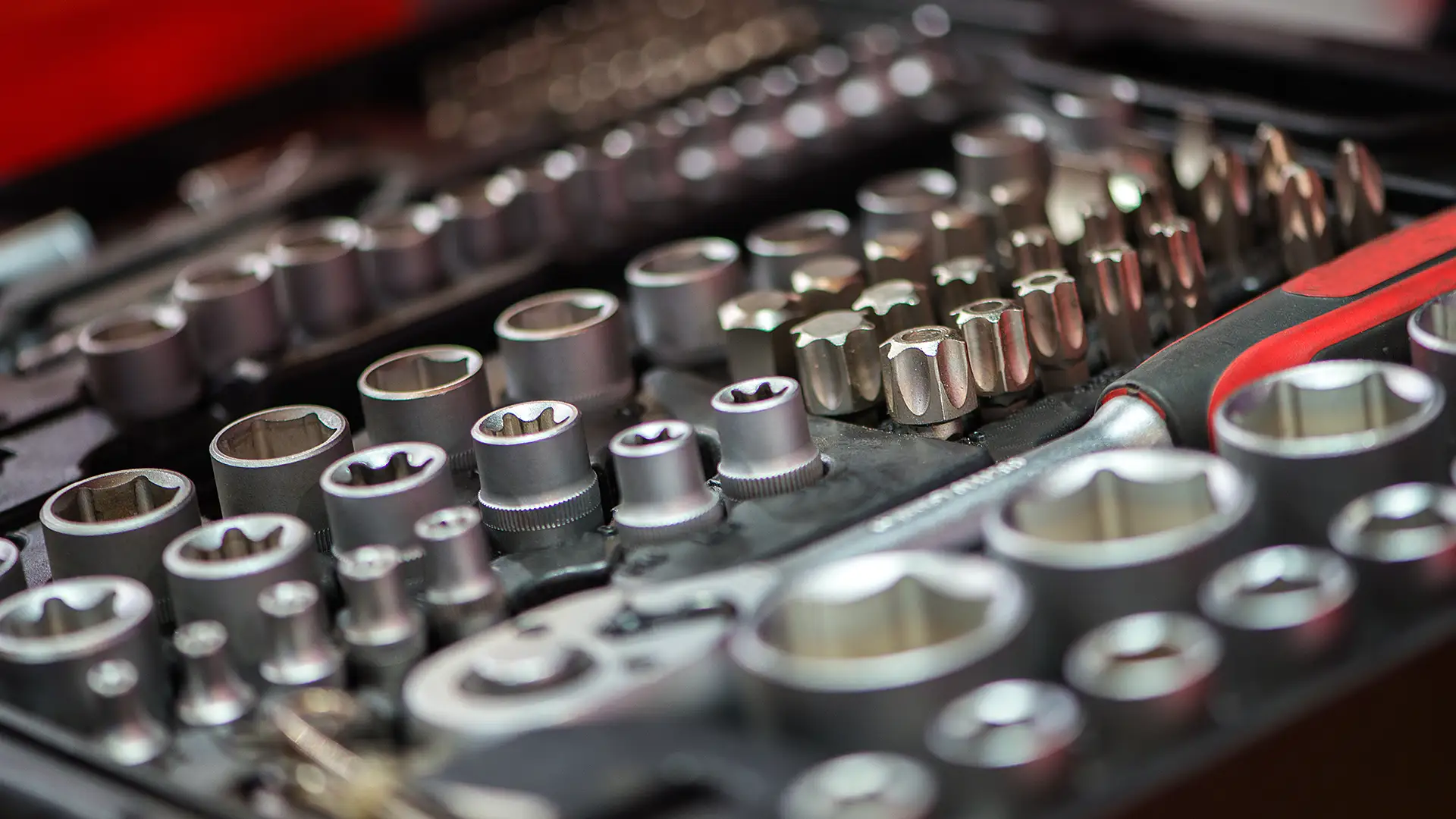
It also pays not to skimp on good-quality tools, specifically engineered for high precision and durability. You’re not going to get far with a cheap shifter spanner, because it simply won’t grip the nut or bolt with enough accuracy to move it without damaging the head. A good set of sockets, wrenches, and ratchets (1/4” drive is generally more than enough) should get the job done easily. The right tool will make all the difference in the world when it comes to working on your car like a pro!
And for those really stuck parts, INOX has got your back with powerful lubricants that are designed for tackling difficult tasks like these—so you don’t have crazy levels of stress when working on your car. And of course, it’s going to get dirty, so stock up on degreaser and get plenty of rags on-hand to help with cleanup.
Finally, with your manual in hand, do your research on the specific make and model of your car. Labeling and taking photos can help you keep track of where everything goes, making reassembly easier later on. Knowing what parts can be recycled or further reused will help ensure that any components that are taken out are disposed of responsibly. With all this preparation complete, you’re ready to start taking apart your car!
Removing Panels and Seals
Most people think removing panels from their car is intimidating, but it doesn’t have to be. Many panels can be pliable and easy to remove without damage. Unscrewing the panels and removing door handles can expose pinch welds around the door opening, allowing you to remove the panel in one piece.
When removing seals, it’s best not to use excessive force. Pulling them out is a great way to separate them, but using tools such as INOX MX-3 can help release stuck seals and reduce any additional resistance.
Loosening Bolts, Screws, and Nuts
When it comes to loosening bolts, screws, and nuts, you can run into trouble. In fact, especially when it comes to older cars, corrosion and thread seizure is the single biggest cause for time blowouts. It’s a common problem for DIY car mechanic novices who are trying to take apart their car, and it can chew up hours if not days at a time!
To get around this, it’s important to use the right tools. A quality ratcheting wrench and torque wrench will make your life much easier. If you have access to an air compressor, an impact wrench can also help loosen stubborn bolts and screws. A liquid wrench can also help release stuck bolts and nuts.
Importantly, a high-quality penetrating lubricant such as INOX MX-3 will absorb into the problem area, reduce friction and ease their removal.
Tackling the Engine Bay
Before you start removing the engine, you’ll need to disconnect the battery’s negative terminal to prevent any electrical issues. Safety always comes first! Once that’s done, it’s time to drain the fluids from the engine. You’ll want to remove the engine oil, coolant, and any other fluids, using drain pans and catch-all containers to avoid making a mess.
With the fluids taken care of, you can start disconnecting everything connected to the engine, like hoses, wires, cables, and linkages. Be patient and methodical to prevent accidental damage. After that, unbolt the exhaust manifold from the engine. This might require some elbow grease, as these bolts can get rusty and stubborn over time.
Next, you’ll need to separate the engine and transmission. Unbolt the transmission from the engine, and use a jack or support stand to keep the transmission in place once they’re disconnected. Following this, locate and remove the engine mounts, which secure the engine to the chassis.
Now comes the exciting part – actually lifting the engine out of the car. Use the engine hoist to securely attach to the engine’s lifting points, and then slowly and carefully lift the engine out of the engine bay. Be cautious and make sure nothing gets snagged or damaged during the process.
Finally, with the engine out, you can remove any remaining parts from the engine bay, such as the radiator, fan, and other components. This will give you a nice, clean slate to work with when you’re ready to put everything back together.

Dismantling Suspension Systems
When it comes to dismantling suspension systems, you have to be careful. It could be one of the most daunting and dangerous tasks of the whole exercise since the attached parts are under a lot of stress.
Luckily, there are steps you can take to make sure your safety—and the safety of your car—is a priority. Here’s what you need to do:
- Start by discussing with an experienced mechanic about the parts that should be removed first and any precautions that need to be taken when removing them; this is especially important if you don’t know what kind of suspension setup is in your car.
- Securely store all spring-loaded parts until you’re ready to reassemble them; spring-loaded parts can put out much energy if handled without care.
- Wear protective clothing while working on your car, like gloves and goggles, and refer to online tutorials or support forums for advice whenever needed.
Safely Removing Stuck Parts and Components
At some point in the dismantling process, you’ll probably find yourself facing a stuck part or component. These are notoriously difficult to remove, and that’s where INOX can help.
MX3
Inox MX3 is a versatile lubricant that can be extremely useful when dismantling a car. Its anti-corrosion, anti-moisture, and lubricating properties make it an essential tool for loosening stubborn bolts, hinges, and other components during the disassembly process. By applying Inox MX3 to these parts, you can reduce friction and prevent rust, making it easier to remove and separate components without causing damage. Inox MX3 is a valuable aid in dismantling, ensuring a smoother and more efficient experience.
What to Do When You Hit a Roadblock?
If you’ve reached a roadblock while dismantling your car, don’t worry—you’re not alone. In fact, it’s not uncommon for DIYers to run into trouble and get frustrated. So, what can you do when you hit a roadblock?
Here are some tips about what to do when dismantling your car becomes harder than expected:
- Take a break – Step away from the project for a couple of hours or even days if you need to. This will help clear your mind and give you a sense of perspective.
- Research online forums or watch videos – You can find an abundance of research online on how others have tackled similar problems with their cars. Watching instructional videos can also provide valuable insight into how best to proceed with dismantling your car and getting it apart safely and efficiently.
- Ask for help – If all else fails, don’t be afraid to ask for help from family or friends who may have more experience in this field than you do. They could offer advice on how best to move forward with the project or even lend a helping hand.
- Purchase specialised tools – Sometimes, the job requires specialised tools that you may not have on hand, such as an impact wrench or an electric torque screwdriver set, the right tool can make a job move much quicker, so it can be worthwhile either investing in your own or borrowing a friends if that is possible.
When it comes to taking apart your car, be sure that no matter what obstacle comes up along the way that there are plenty of resources available online.
Conclusion
Dismantling a car can be tough, but with the right tips and the best products, it doesn’t have to be. Pulling apart your car is a combination of finesse, finesse, and most of all, preparation. But when you hit a roadblock, don’t forget that help is available. When it comes to things that are stuck, you can always reach out to the experts at INOX for their experience and expertise. With the right advice and products, you can take on any job – big or small – with confidence.